
26 May, 2026
Fazri Kurniawan
19 Jan, 2026
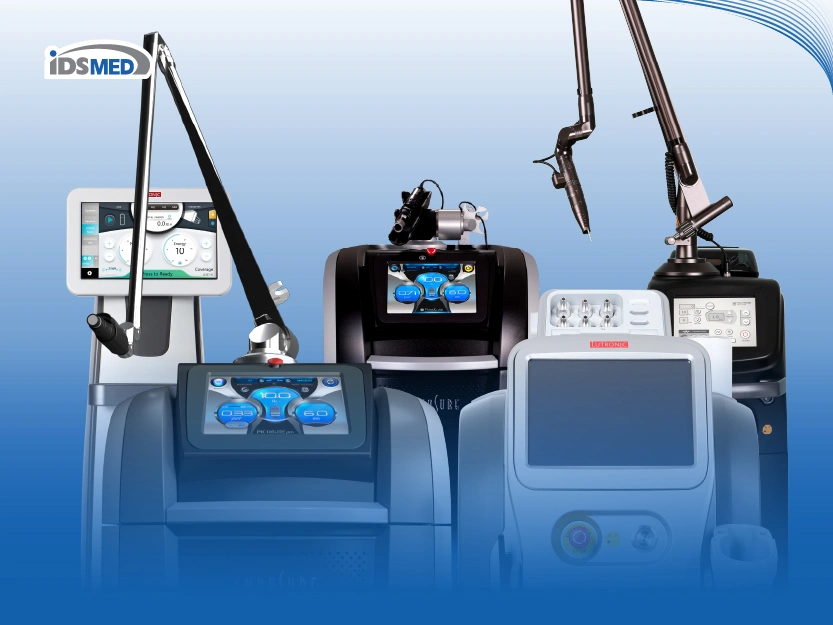
Have you ever experienced aesthetic clinic equipment suddenly feeling less powerful? Treatment results become less optimal, procedures take longer, or the machine even shuts down unexpectedly during treatment. Many immediately assume the device is severely damaged and requires major servicing. However, in many cases, the issue originates from the treatment room environment that is not properly monitored.
To ensure your aesthetic equipment investment remains durable and continues to deliver optimal results for patients, it is important to understand the most common factors that cause a decline in machine performance in clinics.
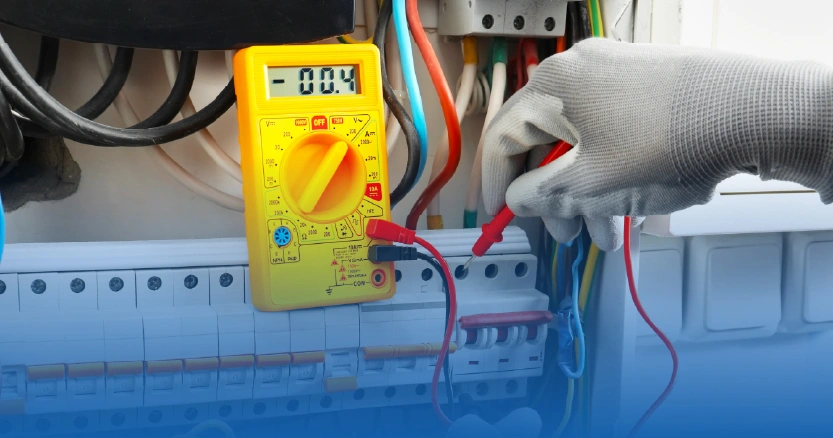
Electricity is the lifeline of all aesthetic clinic equipment. When voltage fluctuates, machines may shut down suddenly, forcing electronic components to work harder than intended. Over time, this shortens the lifespan of the equipment and increases the risk of damage.
Using a voltage stabilizer or UPS for aesthetic devices is highly recommended to maintain stable and safe power flow. In addition to ensuring treatment comfort, this also helps protect equipment from unexpected downtime.
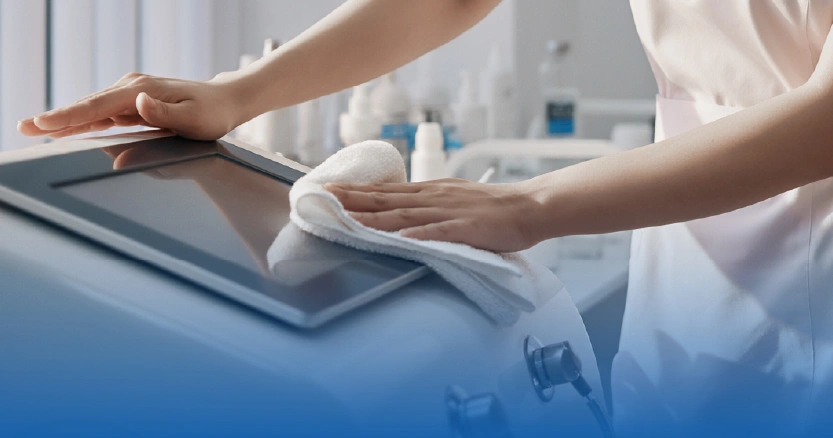
Dust is often underestimated, yet it can be one of the main causes of premature equipment damage. Accumulated dust may block cooling systems, cause overheating, and reduce optical accuracy in laser devices.
Dust typically comes from improper cleaning methods, such as sweeping floors that disperse particles into the air. To minimize dust, clinics should use vacuum cleaners and consider installing air purifiers to maintain treatment room cleanliness. Equipment should also be properly covered after use to prevent dust buildup inside internal components.
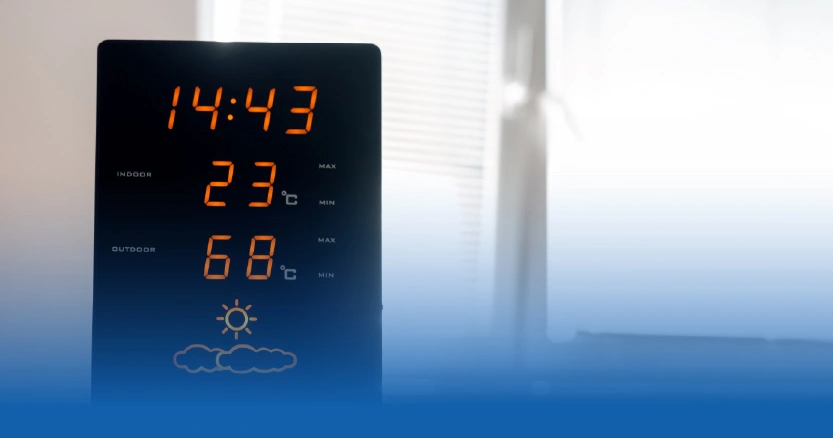
Most aesthetic equipment is designed to operate within a specific room temperature range. When the environment becomes too warm, machines may overheat, leading to reduced performance and suboptimal treatment outcomes.
The ideal temperature for clinic treatment rooms ranges between 25–26°C. Routine temperature monitoring helps ensure equipment operates under optimal conditions without overloading internal systems.
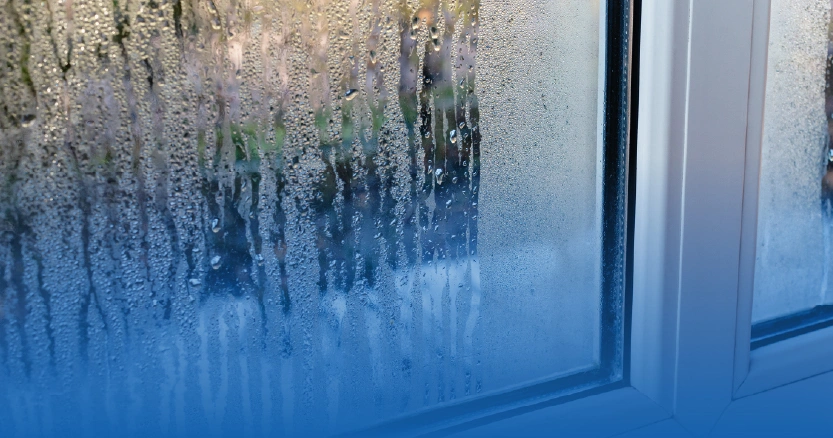
Humidity is another critical factor, especially in tropical regions or clinics located near coastal areas. Excessive humidity can cause corrosion of internal metal components, gradually reducing equipment performance.
For this reason, air conditioning should not be turned off while machines are operating. Installing dehumidifiers can also help maintain humidity at safe levels, supporting proper aesthetic equipment maintenance.
Declining machine performance can actually be prevented through proper environmental monitoring: stable electrical supply, dust-free rooms, comfortable temperatures, and controlled humidity. Maintaining these factors not only protects valuable equipment investments but also ensures consistent treatment quality for patients.
As part of its long-term service commitment, idsMED Aesthetics offers Assure+ aftersales services through service contracts that include preventive and predictive maintenance. These services help clinics maintain optimal equipment performance, prevent potential failures, and minimize downtime to ensure consistent treatment quality.
For more information about Assure+ aftersales services, please contact the idsMED Aesthetics Sales Service team or email idsMEDIDNBMEAes@idsmed.com.
Share this article


Fazri Kurniawan
Product Specialist
26 May, 2026
Fine lines can turn into deep wrinkles as skin loses collagen, elastin, and elasticity over time....
23 Apr, 2026
Discover Obagi Medical’s ELASTIderm® range to improve skin elasticity, tighten sagging skin, a...
13 Apr, 2026
Vitamin C helps maintain healthy, radiant skin. With antioxidant benefits and support for elastic...
