
26 May, 2026
Muhammad Zulfikri Aulia
27 Mar, 2026
Understanding your body’s health is an invaluable long-term investment. However, the body sometimes sends signals that we might not yet understand. One condition that often confuses the general public is autoimmune disease. An autoimmune disease occurs when the immune system, which is supposed to be a fortress against viruses and bacteria, mistakenly identifies healthy cells as threats and attacks the body's own tissues.
Recognizing the signs of autoimmune disease early is a crucial step. Without proper treatment, chronic inflammation caused by overactive immune activity can damage vital organs. This article will discuss in depth the warning signs you need to watch out for and the strategic steps to manage this condition so that your quality of life remains optimal.
Before discussing the symptoms further, we need to understand the essence of this condition. Normally, the immune system produces antibodies to fight antigens, harmful foreign substances that enter the body, such as bacteria, viruses, fungi, and parasites. However, in autoimmune patients, this system loses its ability to distinguish between the body's own cells/tissues and those foreign substances.
To date, more than 80 to 100 types of autoimmune disorders have been identified. Some of the most well-known include Lupus (SLE), Rheumatoid Arthritis, and Vitiligo. Although they vary in type, most share similarities in how they send early signals to the body.
Here are the most common signs of autoimmune disease that you should pay attention to:
Persistent Extreme Fatigue
The exhaustion felt by autoimmune patients differs from ordinary tiredness after activity. This is an overwhelming fatigue where the sufferer remains lethargic despite resting for hours. This fatigue is often caused by the body's energy being depleted due to continuous internal inflammation.
Joint Pain, Stiffness, and Swelling
Some types of autoimmune diseases attack joint tissue. One sign is joint stiffness upon waking up in the morning that lasts for more than 30 minutes. If you often feel shifting pain or swelling without a physical injury, this could be a sign of an autoimmune disease like Rheumatoid Arthritis.
Recurrent Low-Grade Fever
Sufferers often experience a low-grade fever or a slightly elevated body temperature between 37.5°C and 38°C. This fever usually appears without flu or cough symptoms and often comes and goes. This can be a sign that your immune system is working too actively against perceived foreign substances.
Changes in Skin Texture and Color
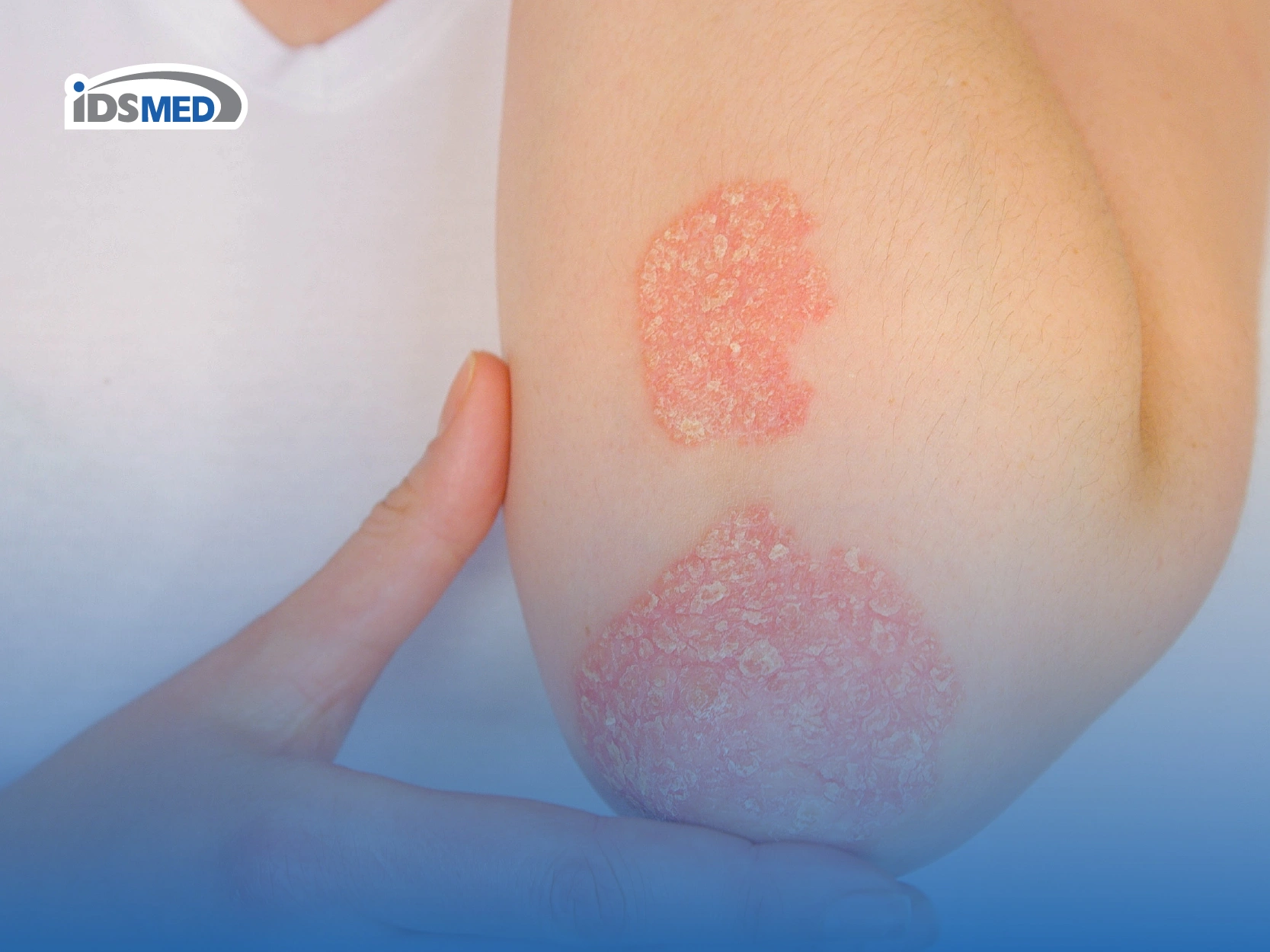
The skin is often the first mirror of an autoimmune condition. Symptoms can range from the classic butterfly-shaped rash on the face in Lupus, white patches due to pigment loss in Vitiligo, to skin that becomes very thick and scaly in Psoriasis.
Tingling or Numbness
When the immune system begins to attack nerve tissue, you may feel a tingling sensation, like pins and needles, or numbness in the tips of your fingers and toes. If this sensation becomes chronic, consult a medical professional immediately.
Prolonged Digestive Issues
Many autoimmune conditions attack the digestive tract, resulting in chronic diarrhea, alternating constipation, excessive bloating, or blood in the stool. This condition indicates inflammation in the intestinal wall that interferes with nutrient absorption.
If you or someone close to you experiences several of the signs above, do not panic. Although these diseases cannot yet be medically cured completely, the condition is highly manageable until it reaches a stage of remission (a condition where symptoms are no longer active). Here are the management steps:
Accurate Medical Diagnosis
The most crucial first step is to perform blood tests (such as an ANA test) and consult an Internal Medicine Specialist - Rheumatology Consultant. A rapid diagnosis will prevent further severe organ damage.
Adopting an Anti-Inflammatory Diet and Vitamin D Optimization
Nutrition plays a vital role in calming the immune system of autoimmune patients. Focus on consuming whole foods, green vegetables, and healthy fats rich in Omega-3, while avoiding excessive sugar and gluten which can trigger inflammation. In addition to diet, ensure your Vitamin D needs are met, as this nutrient functions crucially as an immunomodulator to stabilize immune activity and prevent natural symptom recurrence.
Stress Management and Rest
Stress is a major trigger for "flares" or the recurrence of autoimmune symptoms. Meditation techniques, yoga, or simply maintaining a regular sleep pattern can help stabilize your nervous and immune systems.
Regular Exercise
Physical activity is still necessary to maintain joint flexibility and blood circulation. However, avoid overly heavy exercise that triggers extreme fatigue. Choose low-impact activities such as brisk walking or swimming.
Modern Medical Therapy
Excimer Light (Exciplex) In addition to lifestyle management and medication, developments in medical technology now offer more specific and effective solutions for managing skin manifestations caused by autoimmune conditions. One highly recommended innovation is light therapy using Excimer Light, known as Exciplex.
While other management methods work systemically from within the body, Exciplex works locally and precisely directly on the problematic skin area. This therapy uses excimer light with a monochromatic wavelength of 308 nm, which is clinically proven to calm an overactive immune system in specific skin areas.
For patients with autoimmune signs such as Vitiligo, Psoriasis, or Atopic Dermatitis, Exciplex offers advantages that ordinary ultraviolet light therapy does not:
Highly Precise Targeting
This technology only targets the affected skin area without exposing healthy surrounding skin to radiation.
Stimulates Repigmentation
In cases of Vitiligo, where the autoimmune system attacks skin color cells, Exciplex helps restimulate the activity of melanocytes (skin pigment-producing cells) to produce natural skin color.
Reduces Inflammation Painlessly
This therapy effectively suppresses inflammation in Psoriasis sufferers quickly, safely, and without pain.
Zero Downtime
Patients can return to their activities immediately after the therapy session, making it a practical choice for long-term management.
Adding Exciplex therapy to your autoimmune management plan can significantly accelerate skin texture improvement and boost self-confidence.
Recognizing the signs of autoimmune disease is vital for taking immediate action early on. With a combination of proper handling, from symptom detection and lifestyle discipline to the utilization of modern medical technology like Excimer Light with Exciplex, autoimmune sufferers can still lead productive, active, and happy lives.
Your health is a priority. Do not hesitate to listen to the signals given by your body. If you feel suspicious signs, immediately consult a specialist to get the treatment plan that best suits your skin and body’s needs.
Share this article


Muhammad Zulfikri Aulia
Product Marketing Specialist

26 May, 2026
Fine lines can turn into deep wrinkles as skin loses collagen, elastin, and elasticity over time....

23 Apr, 2026
Discover Obagi Medical’s ELASTIderm® range to improve skin elasticity, tighten sagging skin, a...

13 Apr, 2026
Vitamin C helps maintain healthy, radiant skin. With antioxidant benefits and support for elastic...
