
17 Feb, 2026
Muhammad Zulfikri Aulia
27 Mar, 2026
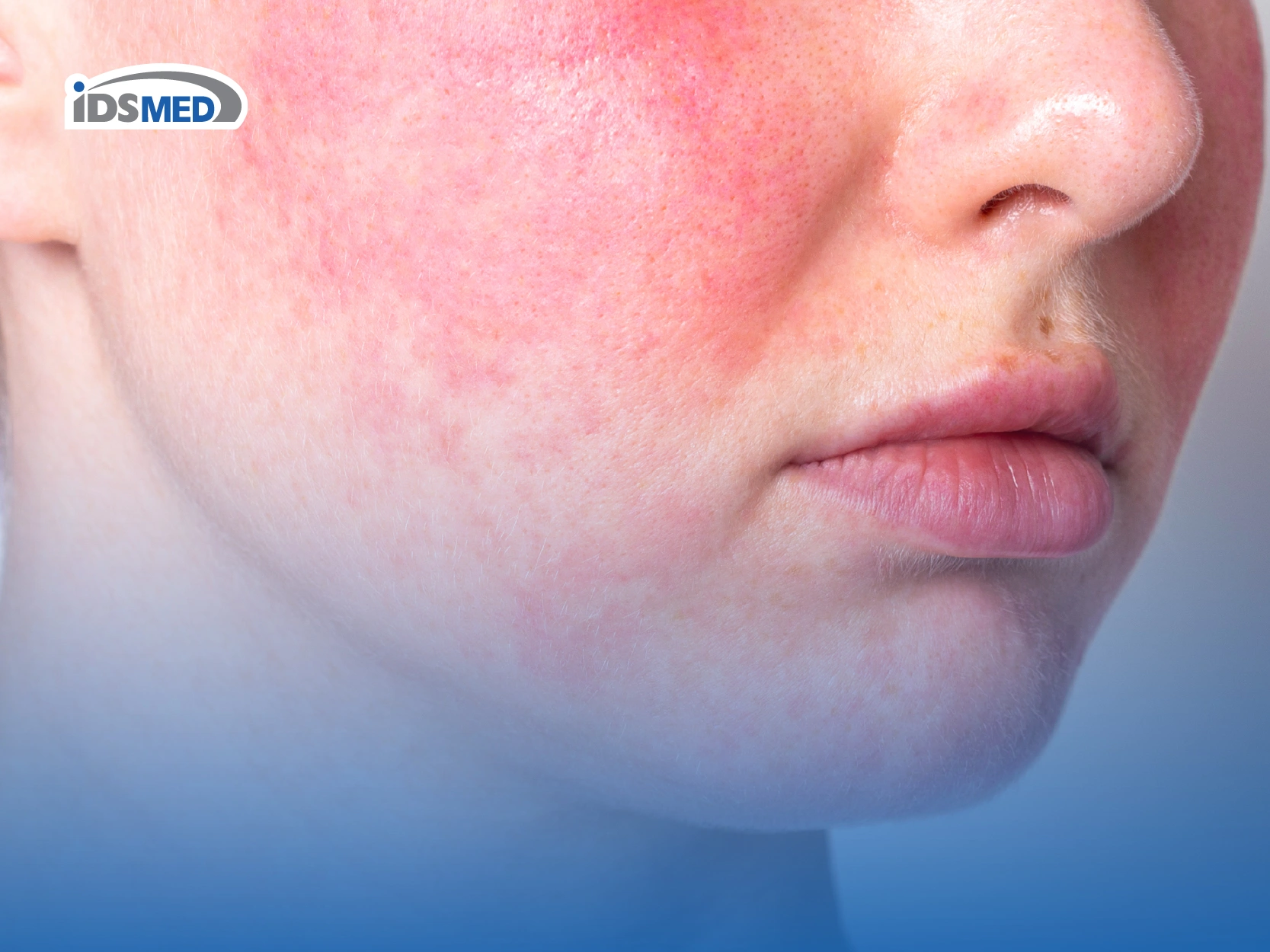
Many people mistake frequent facial flushing for simple skin sensitivity or a natural post-exercise glow. However, if this redness persists, feels warm, or is accompanied by fine visible veins around the cheeks and nose, there is a high probability that you are experiencing rosacea symptoms. Recognizing these signs early is a crucial step in preventing chronic vascular inflammation, which can permanently damage the skin structure. Without proper intervention, this condition can evolve into much more serious skin disorders that are difficult to manage.
Rosacea is a chronic inflammatory skin condition affecting millions worldwide, particularly those with fair skin tones. Biologically, the causes of facial redness in rosacea cases are closely linked to dysregulation within the vascular nervous system and the blood vessels beneath the skin's surface. External factors, such as UV exposure, heat, and emotional stress, trigger blood vessels to dilate abnormally (vasodilation). The primary issue is that these vessels lose their natural ability to constrict back to normal, resulting in persistent redness and ongoing inflammation within the dermal layer.
Patients often realize they have the condition too late because the signs mimic other skin issues. Here are 7 symptoms you should watch for:
Persistent Flushing
Redness in the center of the face (forehead, nose, cheeks, chin) that does not fade even after triggers are avoided.
Telangiectasia
The appearance of fine lines or broken blood vessels on the face that look like spider webs.
Burning Sensation
Skin that feels stinging, itchy, or intensely hot, especially when exposed to the sun or certain skincare products.
Papulopustular Bumps
Red bumps resembling acne but without comedones (blackheads/whiteheads), often topped with small pus-filled spots.
Ocular Rosacea
A condition where the eyes feel gritty, dry, red, and highly sensitive to sunlight.
Facial Edema
Slight swelling of the facial soft tissues caused by continuous vascular inflammation.
Phymatous Changes (Advanced Stage)
Thickening of connective tissue that makes the skin texture appear coarse and causes the nose to enlarge (Rhinophyma).
It is vital for you to understand the difference between sensitive skin and rosacea to avoid incorrect treatments. Sensitive skin is typically reactive to specific chemicals in cosmetics, and symptoms usually improve quickly once the product is discontinued. Conversely, Rosacea is a vascular system disorder. While sensitive skin primarily affects the outermost protective layer (skin barrier), Rosacea involves damaged blood vessel walls in the deeper layers. This is why standard moisturizers are never enough to eliminate redness caused by Rosacea.
This is the most frequently asked question. Medically, Rosacea is a chronic condition linked to immune system dysregulation; this means there is currently no way to alter your body's genetics to "cure" the condition entirely. However, rosacea symptoms can be managed until you reach a phase of total remission. Remission means your skin appears clear, calm, and healthy with no signs of redness. This is achieved through a combination of a healthy lifestyle, avoiding triggers, and appropriate medical intervention. Without proper management, Rosacea is progressive, meaning the condition will worsen with age. The key is not a permanent "cure" but keeping the symptoms "dormant" and preventing flare-ups.
To break the cycle of inflammation and seal dilated blood vessels, the most effective way to treat persistent facial redness is through advanced vascular laser technology, such as the Derma V Laser by Cynosure Lutronic.
Unlike conventional lasers, Derma V utilizes Dual Wavelength (532nm & 1064nm) technology that works synergistically. The 532nm wavelength is highly accurate in targeting superficial redness and fine veins on the skin's surface. Meanwhile, the 1064nm wavelength has a deeper penetration depth to handle larger, bluish vessels.
A major advantage of Derma V lies in its Intelligent Cooling Device. This smart cooling technology keeps the skin surface cool during the procedure, ensuring the laser energy focuses solely on the problematic blood vessels without damaging the surrounding healthy skin tissue. This makes the therapy highly comfortable, with minimal pain and virtually no downtime.
Do not let inflamed facial redness hinder your confidence. By understanding the early symptoms and recognizing the progressive nature of this condition, you can take more accurate preventive steps. Although it may not be entirely removed from your immune system, modern medical technologies like the Derma V Laser can be the solution to keeping your skin free from Rosacea symptoms. Consult your dermatologist immediately to receive a precise and personalized vascular treatment plan.
Share this article


Muhammad Zulfikri Aulia
Product Marketing Specialist

17 Feb, 2026
Learn about safe skin tightening with XERF radio frequency technology.
13 Feb, 2026
Discover the benefits of Hyaluronic Acid in Rejuran HB Plus: Deeply hydrating cells to repair ski...
13 Feb, 2026
Discover the secrets of Non-Surgical Facelift with Thermage. Learn about facelift procedures, how...
