
26 Aug, 2026
Viena Rahmana
13 Aug, 2026
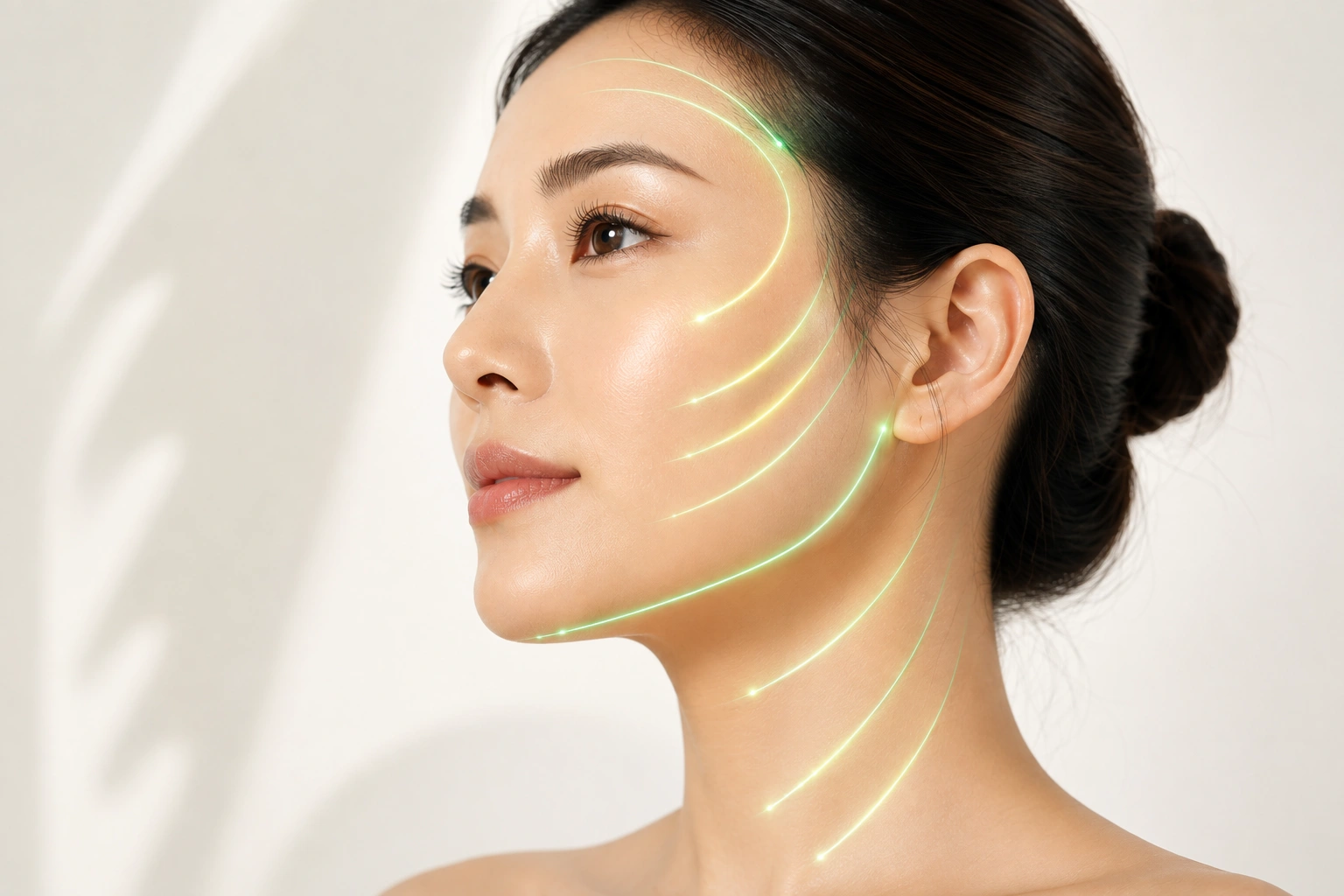
As skin naturally ages, collagen and elastin production gradually decline. This process leads to visible signs such as skin laxity, fine lines, and reduced facial definition. While surgical facelifts remain an option for significant lifting, many individuals today prefer non-invasive treatments that offer natural-looking results with minimal downtime.
High-Intensity Focused Ultrasound (HIFU) has become one of the most widely recognized technologies for non-surgical skin tightening. By delivering focused ultrasound energy beneath the skin surface, HIFU stimulates collagen remodeling, helping improve firmness over time.
However, as aesthetic technology continues to advance, manufacturers are now looking beyond simply delivering energy—they are focusing on delivering it with greater precision.
Why Precision Matters in HIFU Treatment
The effectiveness of HIFU depends not only on the amount of energy delivered but also on how accurately that energy reaches the intended treatment depth.
Facial anatomy is highly complex. Different areas of the face have varying contours, tissue thicknesses, and treatment goals. Areas such as the jawline, cheeks, forehead, and around the eyes require precise energy delivery to achieve consistent lifting while maintaining patient comfort.
For this reason, technological innovation has increasingly focused on improving treatment accuracy rather than simply increasing energy output.
The Challenge with Conventional HIFU Systems
Conventional HIFU systems have proven effective for skin tightening and lifting. However, many utilize flat transducers to deliver ultrasound energy.
Since the human face is naturally curved, maintaining consistent contact between a flat transducer and curved facial surfaces can be challenging, particularly around smaller or contoured treatment areas.
As a result, practitioners often need to carefully adjust the handpiece position throughout treatment to maintain optimal contact. This highlights the importance of device design in supporting treatment precision and consistency.
Introducing the Next Generation: Curved HIFU Technology
To better accommodate natural facial contours, HIFU technology has continued to evolve.
One of the latest innovations is Curved HIFU Technology, which features a concave transducer designed to follow the natural shape of the face more closely. Rather than focusing solely on energy delivery, this design aims to improve contact between the treatment cartridge and the skin surface.
Potential advantages of this technology include:
By optimizing the way ultrasound energy is delivered, Curved HIFU Technology represents an important advancement in non-surgical skin tightening.
Lincurve PRO: The World's First Curved HIFU Therapy
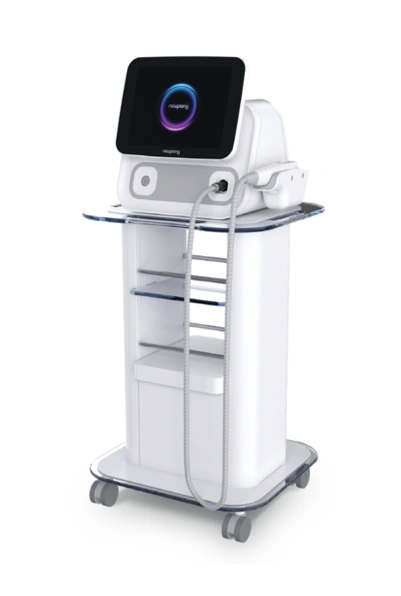
Built upon this innovation, Lincurve PRO by Newpong introduces the world's first patented Concave HIFU Technology™.
Unlike conventional systems, Lincurve PRO utilizes specially designed curved cartridges that naturally adapt to facial contours. The device also features two operating modes—Deep Mode and Booster Mode—within a single cartridge, allowing practitioners to customize treatment according to different skin conditions and treatment objectives.
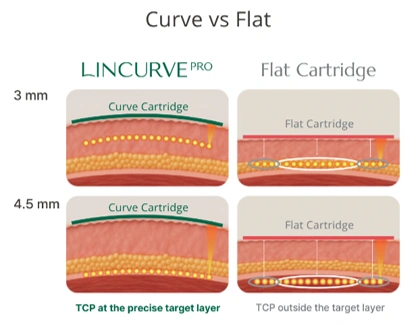
Its clinical design is intended to provide:
This innovative approach reflects the continuous evolution of HIFU technology, where precision and patient comfort become equally important alongside treatment efficacy.
Looking Ahead: The Future of Non-Surgical Skin Tightening
As patient expectations continue to evolve, aesthetic treatments are no longer measured solely by visible results. Comfort, safety, precision, and personalization have become equally important considerations.
Advancements such as Curved HIFU Technology demonstrate how device innovation continues to improve the treatment experience for both practitioners and patients.
If you are considering a non-surgical skin tightening procedure, consult with a qualified aesthetic physician or dermatologist to determine the most appropriate treatment based on your skin condition and aesthetic goals. Understanding the technology behind your treatment can help you make a more informed decision and achieve results that look naturally refreshed.
Share this article


Viena Rahmana
Marketing Strategist

26 Aug, 2026
OBAGI Medical Indonesia strengthens its collaboration with Nathalie Beauty Clinic Jambi through s...

20 Jan, 2026
Learn about phototherapy technology for autoimmune skin disorders, the benefits, and advantage co...
27 Mar, 2026
Discover 6 common symptoms of autoimmune diseases and how to manage them effectively. Learn about...
