
16 Oct, 2026
Muhammad Zulfikri Aulia
20 Aug, 2026

Achieving a firm, refreshed, and well-defined facial appearance without undergoing invasive surgery (such as a facelift) has become increasingly accessible, thanks to advancements in aesthetic medicine. Among the various non-invasive options available at medical spas and clinics, Radiofrequency (RF treatment) and High-Intensity Focused Ultrasound (HIFU) stand out as the two most widely discussed solutions.
Although both procedures are designed to address skin laxity and stimulate tissue renewal, their energy delivery mechanisms and patient experiences differ significantly. Understanding these core characteristics will help you choose the safest, most comfortable, and most effective treatment plan for your specific skin goals.
From a technical standpoint, the primary distinction between these two modalities lies in the type of energy delivered and how that energy disperses within the skin tissue:
RF Treatment (Radiofrequency)
Uses radiofrequency energy converted into controlled thermal heat (bulk heating). This heat flows evenly across broad areas, enveloping multiple skin layers to trigger comprehensive tissue tightening.
HIFU (High-Intensity Focused Ultrasound)
Utilizes focused ultrasound waves targeted with high precision at specific depths. Unlike RF, which delivers broad volumetric heating, HIFU creates concentrated thermal stimulation points (thermal coagulation points) at exact target areas without impacting surrounding tissue.
How the energy is delivered directly influences the final results and how your facial structure is improved:
Functions of RF Treatment
Focuses on skin tightening (restoring skin elasticity), volumizing (improving tissue density), and refining overall texture. The widespread heating from RF stimulates fibroblasts across multiple layers to produce new collagen. As a result, the skin surface becomes smoother, plumper, and fine lines begin to fade.
Functions of HIFU
Focuses on structural lifting (redefining facial contours). Because its sound waves penetrate targeted points deep within the tissue, HIFU is exceptionally effective at lifting sagging or drooping areas, such as a blurred jawline and a double chin.
Beyond the expected results, treatment comfort plays a major role for patients deciding between these procedures:
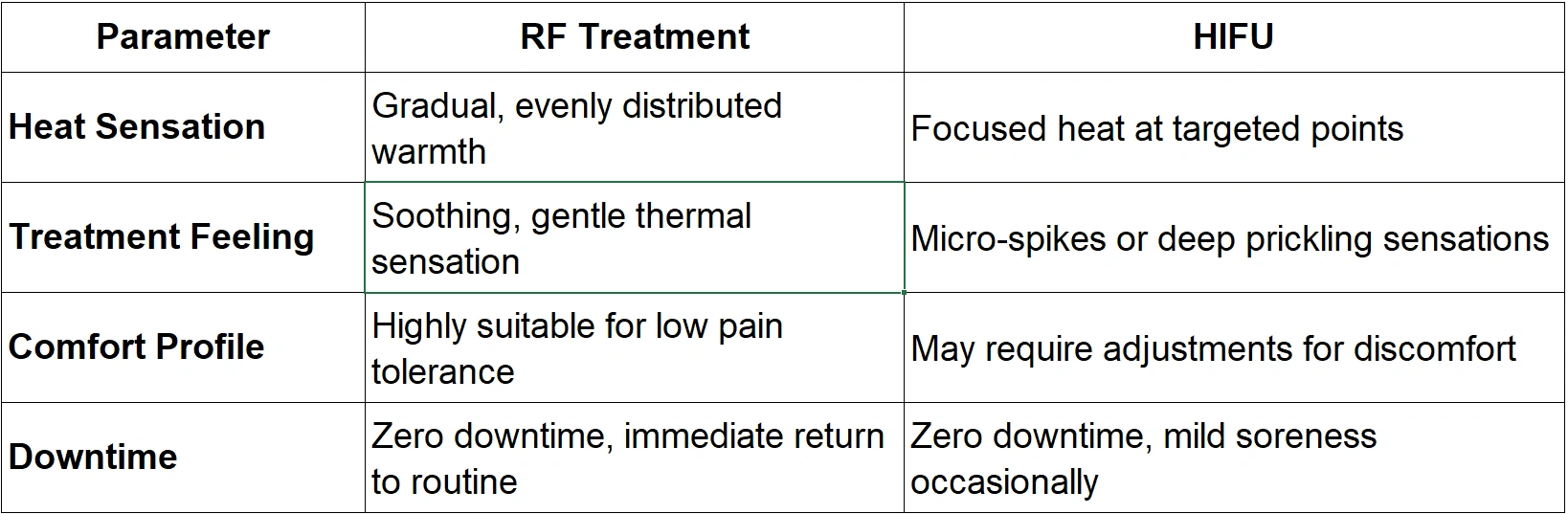
Radiofrequency technology has evolved continuously over time. Traditional RF devices typically relied on a single frequency that could only reach superficial skin layers. The introduction of XERF marks a major breakthrough as a Dual Frequency Monopolar RF technology.
The XERF system intelligently combines two distinct radio frequencies in a single session:
6.78 MHz Frequency
Operates optimally in the superficial to mid-dermal layers to smooth texture, minimize pores, and trigger collagen synthesis.
2 MHz Frequency
Delivers significantly deeper penetration, reaching the subcutaneous layer and the SMAS (Superficial Muscular Aponeurotic System)—the deep foundational layer supporting facial structure.
The synergy of these dual frequencies enables XERF to deliver both surface-level skin tightening and deep structural lifting. Leveraging two distinct wavelengths, XERF offers three adjustable treatment depth settings, shallow, middle, and deep. This customizable approach empowers practitioners to deliver highly personalized treatments tailored specifically to each patient's skin type and tissue thickness.
Beyond its dual-frequency precision and adjustable depths, XERF incorporates proprietary Wave Fit technology to ensure RF energy is distributed homogenously, efficiently, and accurately across target areas. To maximize patient safety and comfort, the system integrates advanced iCD Cooling alongside real-time temperature sensors. This innovative cooling mechanism keeps the skin surface protected and cool, preventing thermal irritation and ensuring a comprehensive, pain-free skin tightening experience.
To select the most suitable option, align your choice with your primary skin concerns:
Choose HIFU if: Your primary focus is achieving a targeted lifting effect on sagging areas and sharply redefining the jawline or double chin.
Choose RF Treatment (XERF Technology) if: You want a multi-layer treatment covering all levels (from the surface down to the SMAS), seek improved skin density and texture, and prioritize a comfortable, virtually pain-free experience.
Both Radiofrequency and HIFU serve as highly effective, non-surgical aesthetic solutions for facial rejuvenation. While HIFU excels at delivering precise deep-tissue lifting, the innovative Dual Frequency Monopolar RF in XERF offers a more holistic tightening treatment from the surface down to the SMAS, paired with superior patient comfort.
Before making a final decision, schedule an in-person consultation with a qualified medical aesthetic practitioner. They will analyze your facial anatomy and recommend a tailored treatment protocol to achieve your desired outcome safely and precisely.
Share this article


Muhammad Zulfikri Aulia
Product Marketing Specialist
16 Oct, 2026
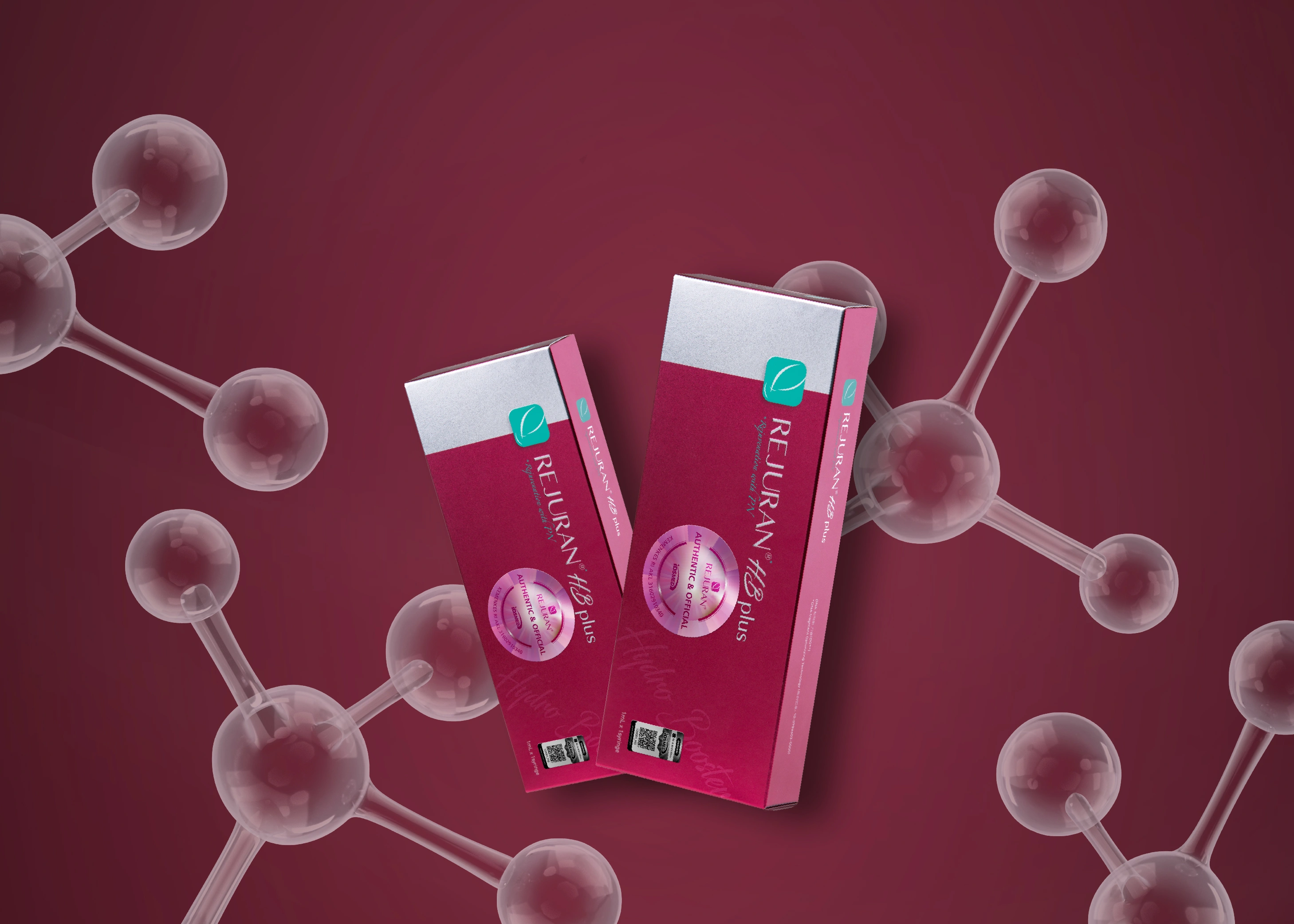
REJURAN HB Plus combines PN, HA, and Lidocaine to boost skin regeneration, hydration, and quality...

28 Sep, 2026
Find XERF clinics in Indonesia and learn how to choose the right Certified XERF Provider for trea...
13 Feb, 2026
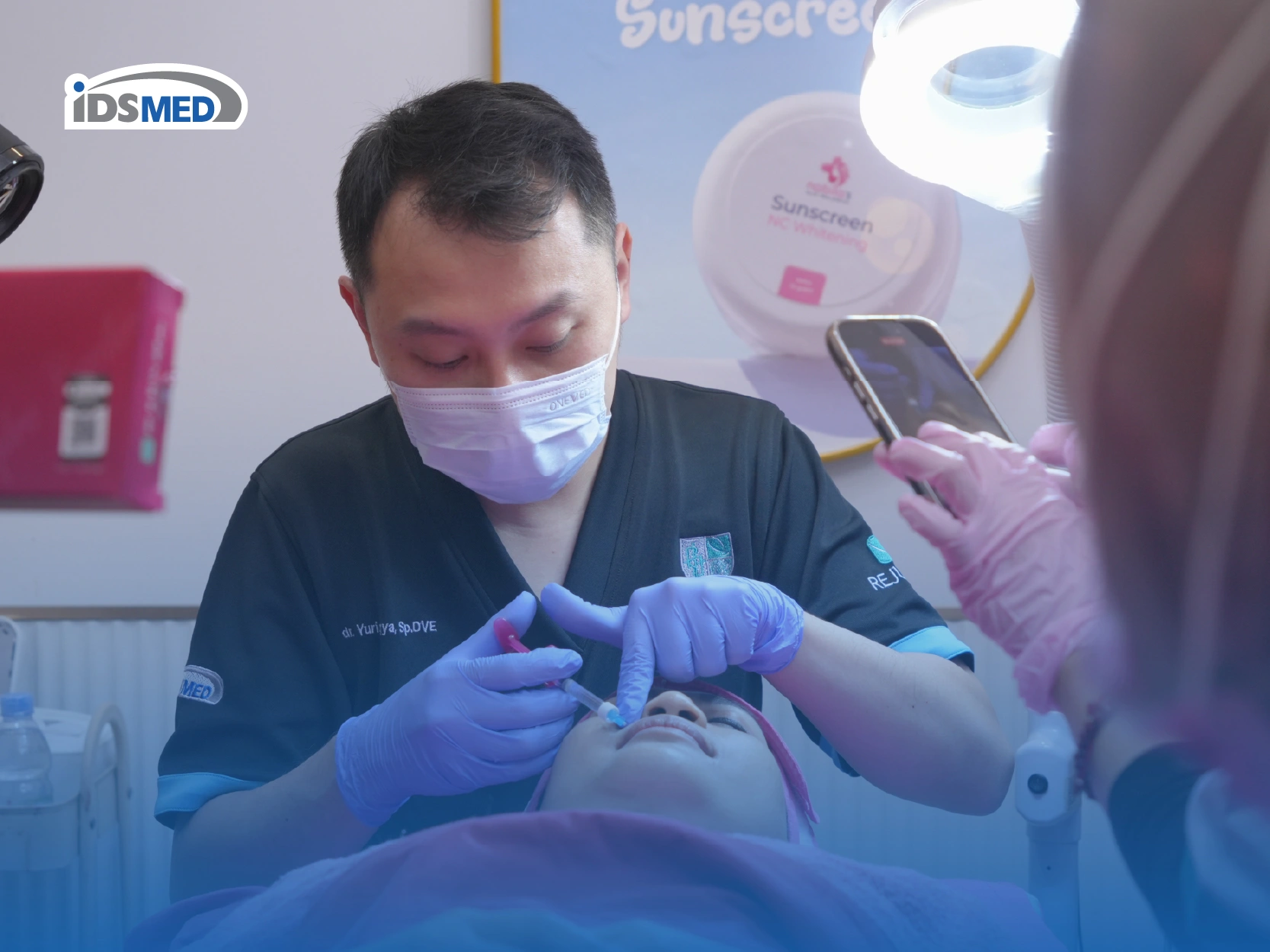
Discover the benefits of Hyaluronic Acid in Rejuran HB Plus: Deeply hydrating cells to repair ski...
